Panties est. 2019
Issue 03 Index July 2026 Printed in small batches

Underwear, catalogued properly

Everything
underneath,
written down.

A working index of panties — cuts, fabrics, seams, waistbands, washing instructions and the small decisions that decide whether a pair is worn twice a week or forgotten in a drawer.

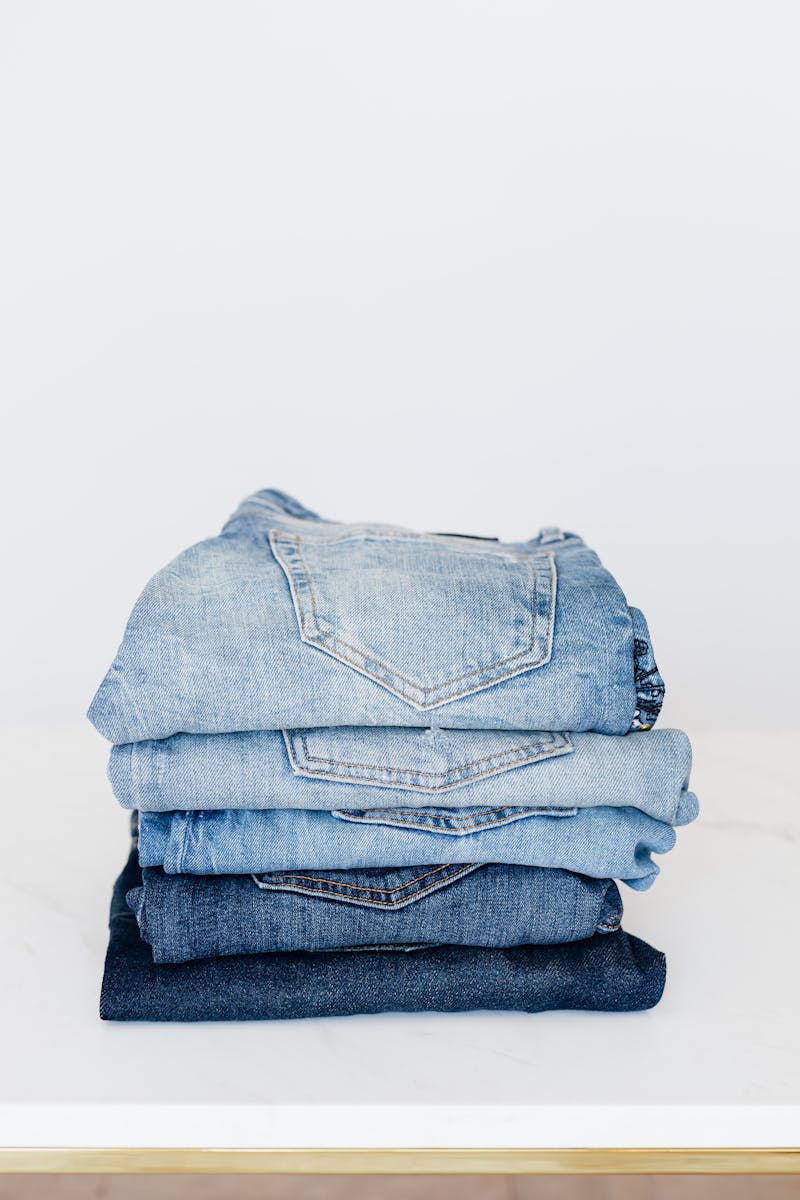
Folded cotton underwear arranged in a neat stack on a pale linen surface
Plate 01 — a drawer, sorted by cut. Cotton interlock, folded flat, elastic facing out.
Section 01 The Argument pp. 04–09

The most-worn garment in the wardrobe, and the least discussed.

Ask anyone to describe what they wore yesterday and they will reach for the shirt, the shoes, the jacket. The layer underneath rarely makes the list, even though it is the only garment worn every single day, in every season, through every version of a body. Underwear is the most intimate piece of engineering most people own, and almost nobody can name the fabric it is made from.

This index exists to fix that. It began as a notebook — a running list of pairs that survived a year, pairs that pilled after three washes, waistbands that rolled, gussets that were an afterthought. Over four years it turned into something closer to a catalogue: forty-one entries, each one a cut, a construction, or a habit worth knowing about.

There is no single correct pair. There is only the pair that matches the day you are having. A high-waisted brief under a dress that clings. A seamless thong under thin trousers. Full cotton on the days your body is doing something complicated. The index below is organised so you can find the one you need without reading all of it.

Everything here is measured, not guessed. Where a number appears — a rise, a gusset width, a fabric weight — it was taken from a pair on a table with a tape measure, not copied from a marketing page.

Section 02 The Index Tap a title to open

Nine entries, expanded on demand

The index.

Each entry opens in place. Open another and this one closes — the page stays where you left it.

01 The brief, and why it keeps coming back

The full brief is the oldest shape in the drawer and the one that keeps returning after every decade of experimentation. It covers the whole seat, sits at or just below the navel, and has a leg opening that follows the crease of the thigh rather than cutting across it.

What makes a brief good is almost entirely in the leg elastic. Too tight and it digs a line you can see through trousers; too loose and the fabric rides up the moment you sit down. The pairs that last are the ones where the elastic is knitted in rather than sewn on as a separate band — no seam to twist, no band to separate after a year of washing.

Rise matters more than people expect. A brief with a 9 cm rise sits on the hip; a 13 cm rise sits at the waist. Neither is better. They simply belong to different trousers.

Measured — size M, cotton interlock
Front rise11.5 cm
Back rise17 cm
Gusset width7 cm
Leg opening52 cm relaxed
Fabric weight180 gsm
WaistbandKnitted-in, 2.5 cm

Best under: tailored trousers, anything with a visible seam line.

02 High-cut, French cut, and the leg-line problem

A high-cut brief raises the leg opening toward the hip bone. The effect is longer legs and a cleaner line under a swimsuit or a leotard. The cost is coverage: the higher the cut, the more the fabric has to hold itself in place with elastic alone.

The French cut is the extreme version — the leg opening nearly reaches the waistband at the side. It is beautiful in a photograph and unforgiving in a day of sitting. If you want the look without the maintenance, look for a high-cut with a wide gusset and a soft, folded leg finish rather than a bonded one.

Bonded edges — where the fabric is heat-sealed instead of stitched — give the flattest possible line and the shortest lifespan. They delaminate. Expect eighteen months of regular wear, not five years.

Close detail of folded fabric showing a stitched seam and soft elastic edge
Plate 02 — a folded leg finish, stitched twice. The seam that survives.
03 Cotton, modal, and the case against pure synthetics

Cotton interlock. Two knitted layers, no visible wrong side, holds shape for years. Slightly slower to dry. The default for a reason — breathable, cheap to replace, and it does not hold odour the way polyester does.

Cotton jersey. Thinner, softer, more stretch. Lovely for the first six months, then it starts to sag at the gusset. Buy it in a five-pack, not a single.

Micro-modal. Beech pulp, spun fine. Drapes like silk, breathes nearly as well as cotton, and keeps its colour through a hundred washes. The best choice for anything worn under something tight.

Tencel / lyocell. Similar story, slightly cooler against the skin, slightly more prone to pilling under friction. Excellent for summer.

Nylon and elastane blends. The stretch is unmatched and the fit is flawless for the first year. Then the elastane fatigues and the garment goes slack in a way cotton never does. Fine for a specific dress, poor as a daily pair.

Silk. Beautiful, temperature-neutral, and it will not survive a machine wash. Treat it as occasion wear.

04 The gusset, explained without embarrassment

The gusset is the panel of fabric at the base of the garment. It is the single most important piece of construction in a pair of underwear and the one most often treated as an afterthought by manufacturers.

A good gusset is cotton, or at minimum cotton-lined, regardless of what the rest of the garment is made from. It should be wide enough to stay flat when you move — 6 to 8 cm is the useful range — and it should be sewn with flat seams so nothing presses.

If a pair has a synthetic gusset with no cotton lining, it will feel fine in the shop and uncomfortable by the afternoon. This is not a matter of preference; it is a matter of airflow.

"Look at the gusset first. Everything else about a pair of underwear is decoration."

Entry № 04 is the one we get the most letters about. Keep them coming.

05 Thongs, and the honest accounting of comfort

The thong solves exactly one problem: a visible line under thin or clinging fabric. It creates exactly one problem: a strip of fabric where there was none.

Whether that trade is worth it depends on the day, the outfit, and the person. What is not a matter of taste is construction. A thong with a narrow, unstretched back strip will migrate; one with a back strip of at least 2.5 cm and a soft, flat finish will stay put. The gusset should still be cotton and should still be wide.

G-string, V-string, tanga — the names describe how much fabric is left at the back, from almost none to a moderate triangle. Tanga is the most forgiving of the family and the one we recommend to anyone trying the shape for the first time.

Back-strip widths, measured
G-string0.8 cm
V-string1.2 cm
Classic thong2.5–3 cm
Tanga6–9 cm

Under 2 cm, expect movement. Above 3 cm, expect comfort.

06 Waistbands: the part that decides everything

Four kinds, in descending order of how long they last:

  1. Knitted-in. The elastic is knitted into the fabric itself. No seam, no roll, no separation. Five years and counting.
  2. Folded and stitched. The fabric is folded over an elastic core and sewn. Reliable, slightly bulkier, easy to repair.
  3. Applied elastic band. A separate band sewn on. Common, comfortable, and the first thing to twist after a year of hot washes.
  4. Bonded. Glued. Flattest under clothing, shortest life. Delaminates in the dryer.

If you take one habit from this index: never put elastic in a hot dryer. Heat is what kills waistbands, not wear.

Detail of a folded stack of soft cotton garments on a neutral background
Plate 06 — three waistband constructions, side by side. The middle one is the one to buy.
07 Sizing without a tape measure

Most people wear underwear one size too small, because they buy the size they wore five years ago and because sizing labels are not standardised between brands. The result is a waistband that leaves a mark and a gusset that pulls.

The reliable method: measure your hip at the widest point, not your waist. Underwear is sized on the hip. Then check the brand's own chart, because a size M at one label is a size L at another.

If you are between sizes, go up. A pair that is slightly loose sits flat; a pair that is slightly tight leaves a line and wears out faster at the elastic.

Hip measurement → size (typical)
84–89 cmXS
89–94 cmS
94–100 cmM
100–107 cmL
107–115 cmXL
115–124 cm2XL

Between two sizes? Take the larger one. Every time.

08 Washing, drying, and making a pair last five years

Underwear is washed more often than anything else you own, which means it degrades faster than anything else you own. The good news is that almost all of that degradation is avoidable.

Wash at 30°C, not 60. Use a mesh bag so straps and waistbands do not catch on zips. Skip fabric softener entirely — it coats the fibres and reduces breathability, which is the one property you actually need. And dry flat or on a line. If you must use a dryer, use the lowest setting and take the garments out slightly damp.

  • 30°C, gentle cycle. Hot water is what ages elastic.
  • Mesh bag, always. Stops straps tangling and bands snagging.
  • No fabric softener. It blocks the breathability you paid for.
  • Line dry. The single biggest lifespan gain available.
  • Replace the gusset first. If the gusset has gone thin, the pair is done.
09 A short glossary of terms you will meet on a label
  • Rise
    the distance from the gusset seam to the top of the waistband at the front.
  • Gusset
    the panel at the base of the garment, ideally cotton-lined.
  • Bonded
    heat-sealed rather than stitched. Flat, but short-lived.
  • Flatlock seam
    a stitched seam that lies flat against the skin. The good kind.
  • Interlock
    a double-knit cotton with no visible wrong side. Durable.
  • Elastane
    the stretch fibre. Also sold as Spandex or Lycra. Fatigue is inevitable.
  • Modal
    beech-pulp fibre. Drapes well, holds colour, breathes.
  • Picot
    a small decorative looped edge, usually on the leg opening.
  • GSM
    grams per square metre — fabric weight. 160–200 is the useful range.
  • Second skin
    marketing. Ignore it and read the fibre content instead.
  • Section 03 Fit pp. 22–27

    Fit is a relationship, not a size.

    Bodies change. Weight moves, hips widen and narrow, a pregnancy happens, a training block happens, a winter happens. A drawer built once and never revisited will slowly fill with pairs that no longer fit and that nobody throws away.

    The habit worth building is a seasonal one: twice a year, empty the drawer, try everything on, and remove anything that leaves a mark, rides up, or has gone thin at the gusset. Most people find that a third of the drawer goes. What remains is a set of eight or nine pairs that genuinely work, which is more than enough.

    Then buy in small numbers. Two pairs of a cut you have not worn before, not six. Wear them through a full wash cycle before committing. Underwear that feels perfect in the shop can behave very differently after its first hot wash.

    Section 04 House Rules pp. 28–31

    Six things we will not compromise on

    The house rules.

    • Cotton gusset, no exceptions. Whatever the rest of the garment is made from, the panel that touches skin is cotton or cotton-lined.
    • Measure the hip, not the waist. Underwear is sized on the hip. Everything else follows from that number.
    • Between sizes, size up. A loose pair sits flat. A tight pair leaves a line and dies early.
    • No hot dryers. Heat is what kills elastic. Line dry and a pair lasts five years instead of one.
    • Buy two before you buy six. Test a new cut through four washes before committing to a set.
    • Retire the gusset, not the pair. If the gusset has gone thin, the garment is finished, however good the print still looks.
    Section 05 Letters pp. 32–34

    Write to the index

    Send us an entry.

    Found a pair that survived five years? A cut we have missed? A fabric that behaves badly? Tell us and we will measure it, photograph it, and add it to the next issue.